Purpose
Our Land, Our Future
Video Credit: Jewel Davies, 2024
“Wise planning of finite land, water and wildlife for the next seven generations is a paramount requirement today, for there will be nothing left if we don’t do this now.”
Patrick James, respected Elder
Our mission is to empower the First Nations in the Southern Lakes region to lead regional land and water relationship planning that honours Indigenous governance, preserves cultural knowledge, and unites traditional customs with western procedure.
The Southern Lakes First Nations continue to face the cumulative impacts from historic and ongoing development. A regional plan for the area is crucial for ensuring that land and water are stewarded for future generations.
We are the land and the water.

History
The Beginnings of How We Walk
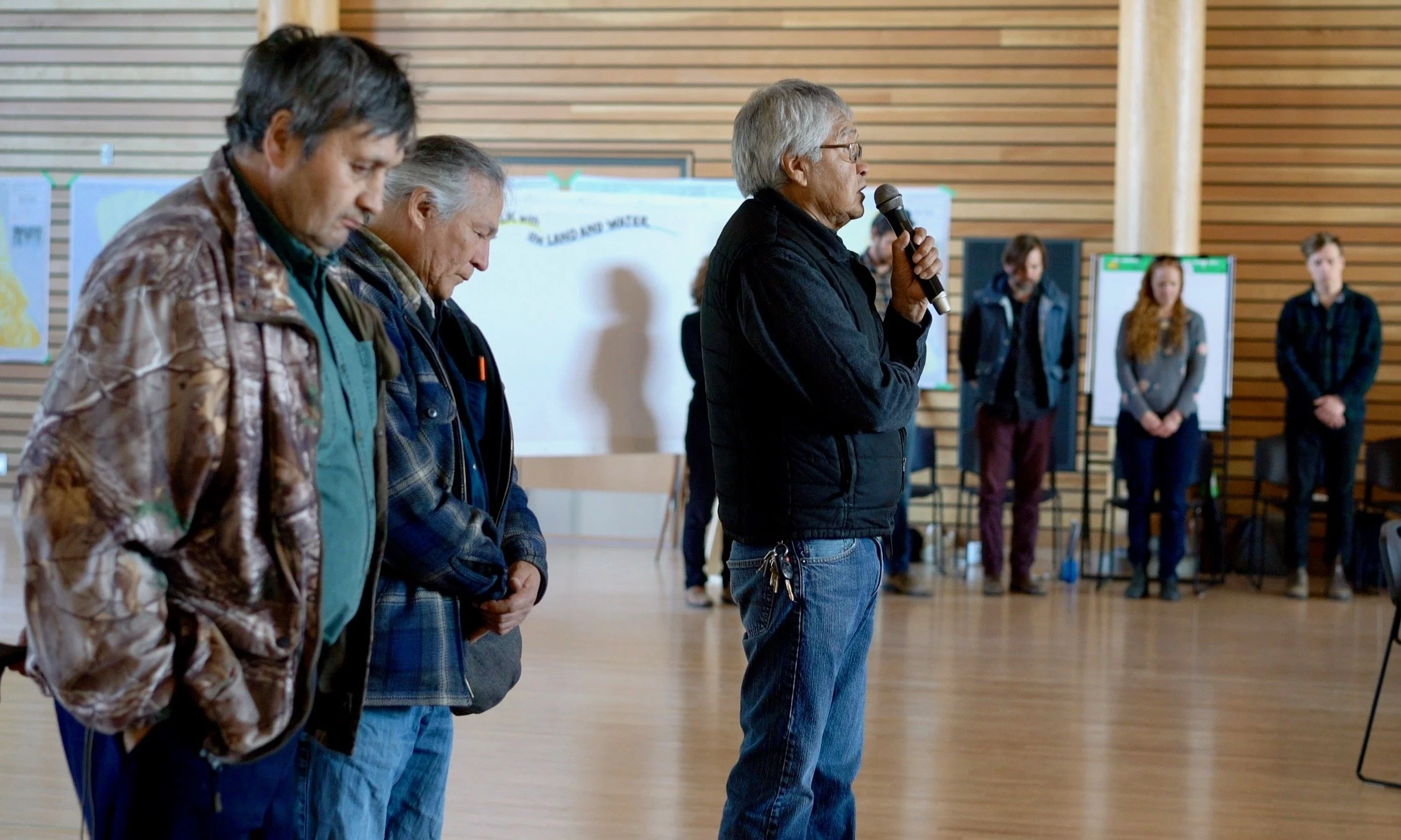
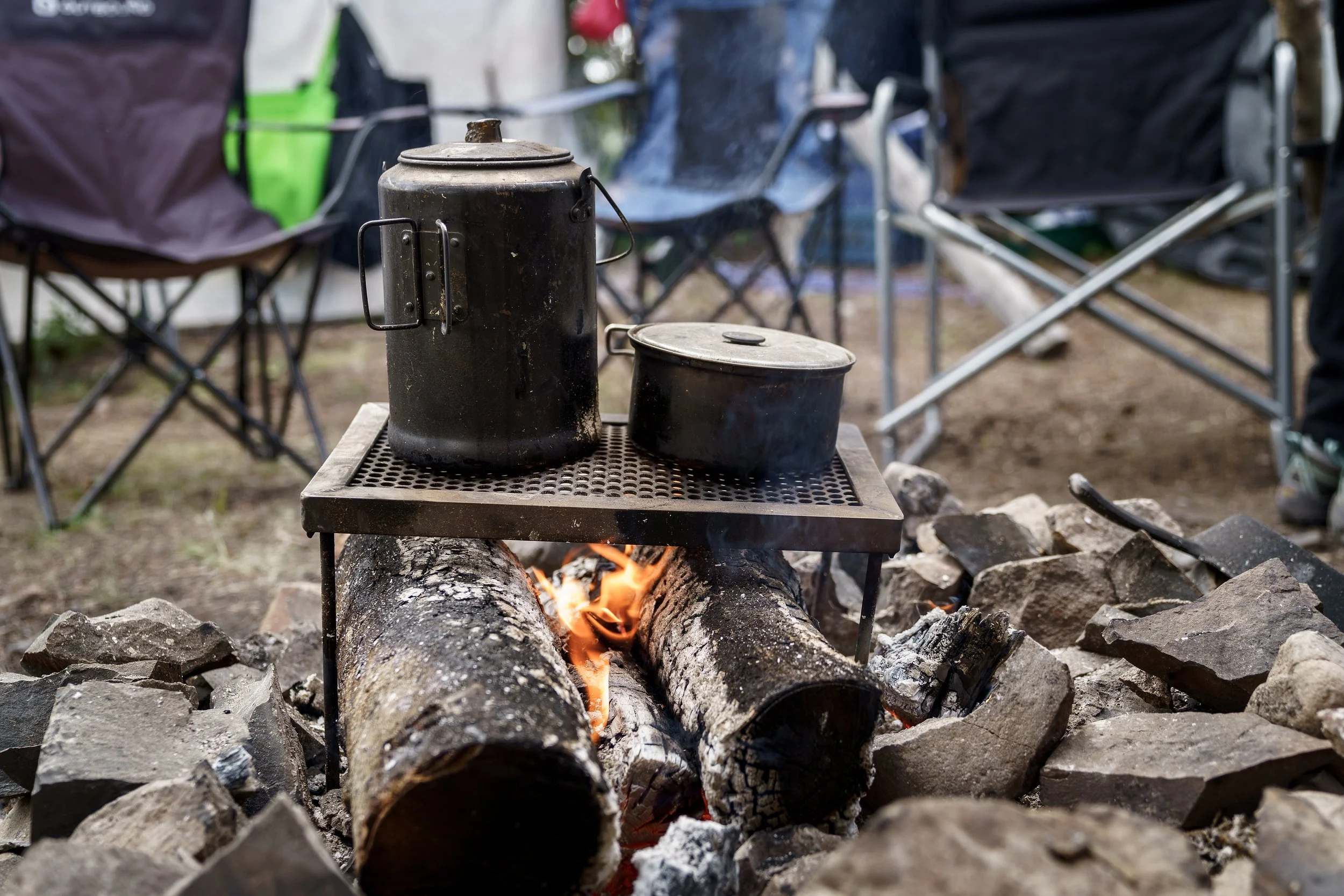
In 2017, Elders from the Southern Lakes First Nations gathered together on the land to share knowledge and discuss the future of the region. The Elders understood that collaboration between their Nations was crucial to look after the land and water for future generations. This gathering formed the How We Walk initiative, and established the foundation of our charter and its guiding principles.
The name “How We Walk with the Land and Water” was chosen by the Elders to represent our collective journey, building and fostering relationships between the land, the water, and all of its inhabitants, including us:
How (our way), We ( we move together as one), Walk with (walk with the land, not on top), the Land & Water (we can not separate land from water).
Discover Our Journey Through Time
Timeline
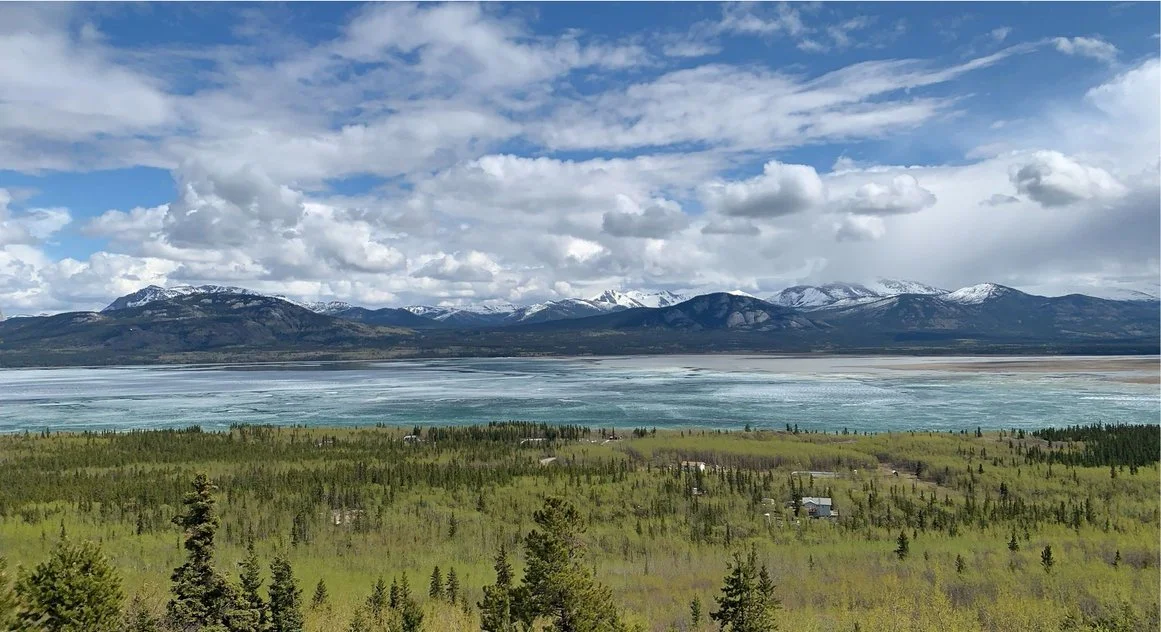
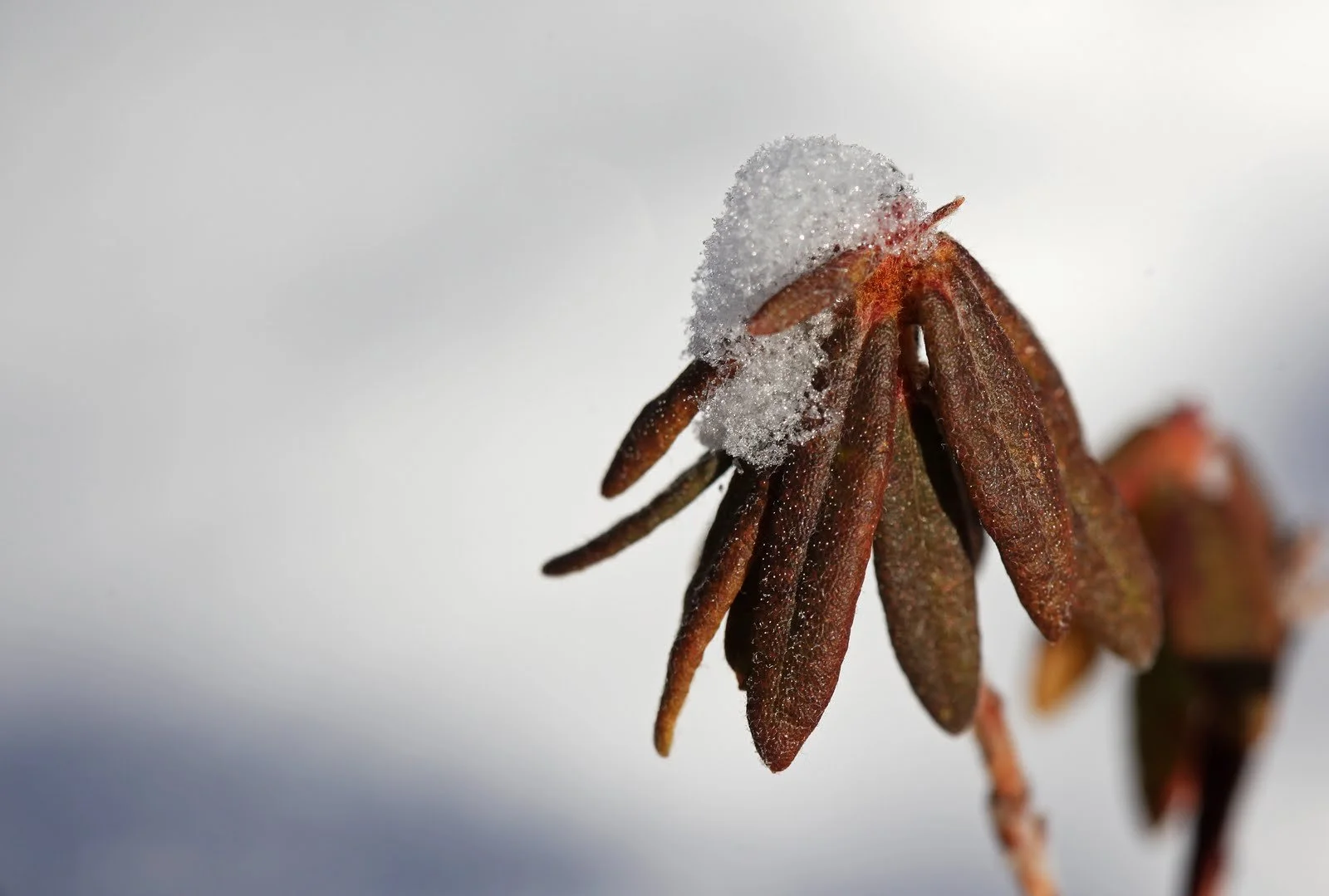
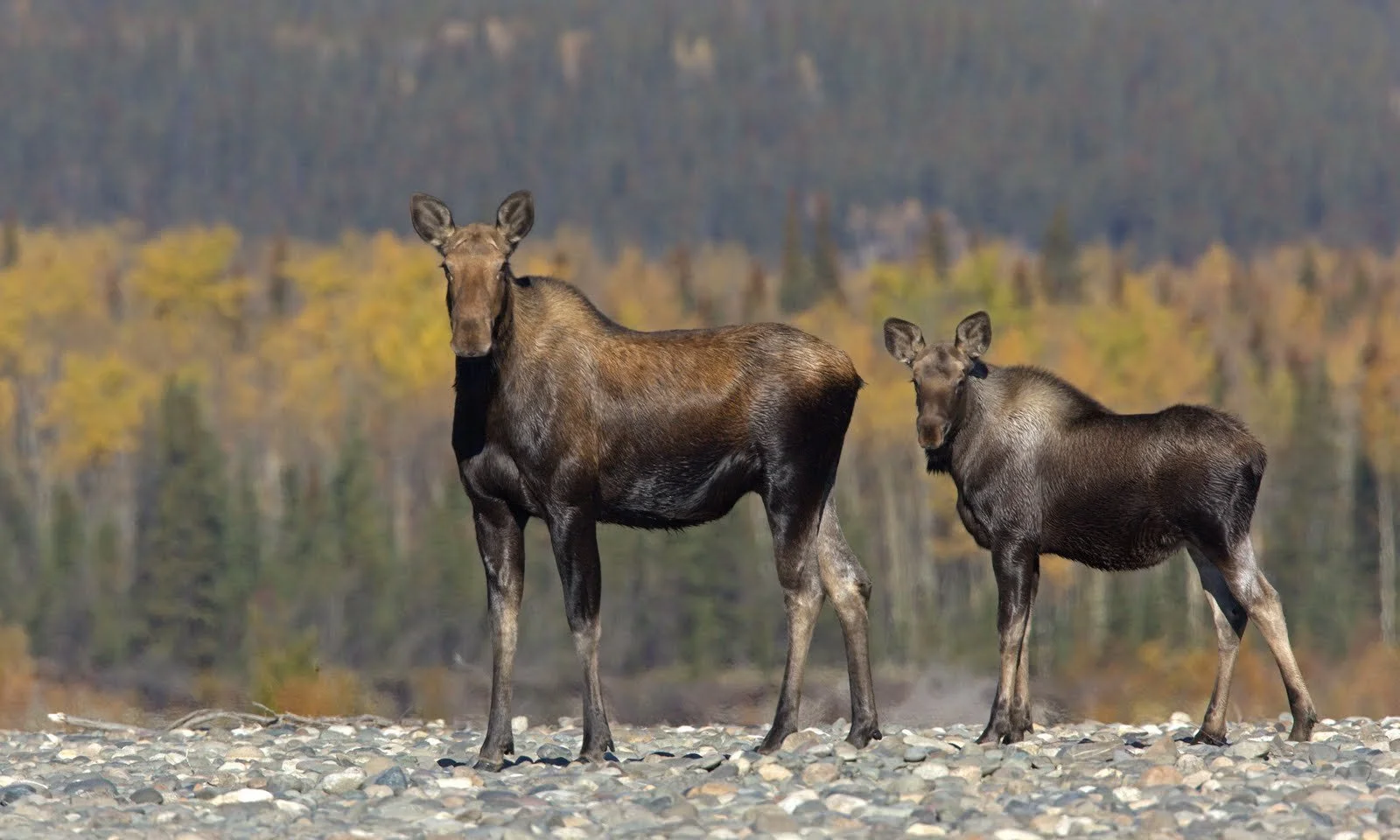
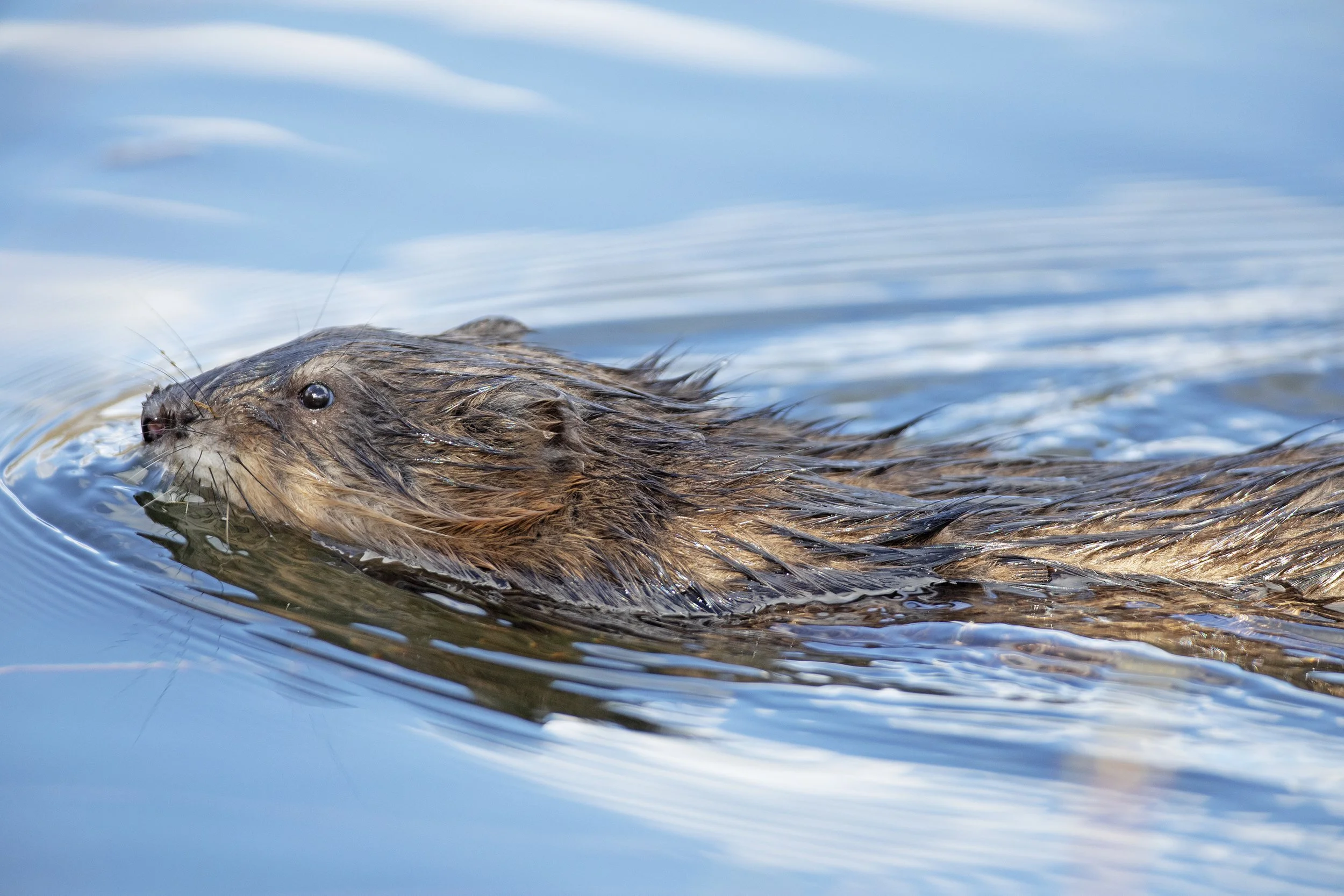
Our Approach: Guiding Principles and The Seasonal Round
Our principles guide our process, acting as the foundation for decision-making and working together that respects the spirit and intent of the How We Walk initiative.
The seasonal round provides us with a framework for our work, ensuring we’re considering all seasons and states of being. It reflects the interconnectedness and seasonal patterns that guide our practices and respect for the land, water, and all our relations.
Tools
What Tools are We Creating?
In preparation for regional planning processes, the Southern Lakes First Nations are articulating "what matters on the land and water" and "where" it is. These values will be documented in a Shared Land and Water Relationship Vision that reflects an Indigenous approach to respecting, conserving, and relating to (“walking with”) the lands and waters of the region.
In this Shared Vision, we are creating map-based tools, processes, and recommendations and guidance for the Nations. This work will help inform decision making now and into the future.
Our work encompasses the entirety of all three First Nations’ Traditional Territories.
FAQs
Discover answers to your questions about our Initiative and why it matters. If you still have questions, contact us!
-
How We Walk with the Land and Water is a collaboration between the Carcross/Tagish First Nation, Kwanlin Dün First Nation, and Ta’an Kwäch’än Council.
Citizens and staff of the three Nations, external contractors, and the broader Southern Lakes community are all involved in our process. Knowledge and values from within the C/TFN, KDFN and TKC communities shape the HWW vision to reflect Indigenous values and ensure it is rooted in place.
-
No. We are developing tools that will support the Nations in the formal planning process with other governments.
-
‘Indigenous-led’ means something that is led by the First Nations. In the context of regional planning, this means that First Nations governments lead, and work in partnership with other governments in determining the future of the region.
Land and Water Relationship Planning is an Indigenous approach to planning that focuses on relationships rather than use. Furthermore, it is centered on process (how we do things) rather than on physical resources, and considers the holistic needs of the land, water, and the communities now and into the future.
-
There is currently no Regional Land Use Plan for the Southern Lakes region. Yet, the Southern Lakes First Nations continue to face the cumulative impacts from historic and ongoing development.
The peoples of Carcross/Tagish First Nation, Kwanlin Dün First Nation and Ta’an Kwäch’än Council have lived in harmony with the land and water for millennia. Developing a plan for the area is critical in ensuring that the lands and waters are stewarded sustainably for future generations, supporting the Nations’ ways of life and the well-being of all communities in the region.
-
Short answer, no. We are currently working to identify what the three HWW Nations are comfortable sharing with the public. It is important to note that the majority of our mapping work contains sensitive cultural information.
-
You can support our efforts by staying informed and participating in community discussions. Sharing your thoughts and ideas is valuable to the planning process. Together, we can create a sustainable future.
-
All our relations include all living beings on the land and water, so that includes you!
To be an ally, be compassionate and have empathy for all the living things around you. Educate yourself and others on Yukon First Nations history and current events; staying informed will help prevent the spread of misinformation. Use your voice; speaking up ensures that we can work together for a shared vision.
We are currently working internally with the Nations, but will begin to engage more with the public soon.
-
To stay up-to-date on our initiatives, check for updates on our website, follow us on social media, or reach out directly. Your engagement is key to the success of our initiative.